Understand the Basics: Why Shower Door Gasket Maintenance Matters
I still remember a hotel renovation project we worked on in Europe a year ago—their shower door gaskets were cracking and molding after just 6 months, leading to constant leaks and guest complaints. When we replaced them with Venus Seals’ high-quality PVC shower door gaskets and trained the staff on proper care, the new gaskets lasted over 3 years without issues. This experience taught me that shower door gasket maintenance isn’t just about fixing problems—it’s about preventing them, and it starts with understanding the product. As a top Chinese shower seal manufacturer with 20+ years of experience, Venus Seals designs its gaskets with anti-corrosion, waterproof, and mold-resistant properties, but even the best materials need proper care to maximize gasket longevity. Our SGS-certified shower door gaskets are engineered to withstand bathroom humidity and daily use, but neglecting maintenance can shorten their lifespan by 50% or more. Shower door gasket maintenance is critical because these small components are the first line of defense against leaks—once they fail, water can damage floors, walls, and fixtures, leading to costly repairs. By investing a few minutes a week in shower door seal care, you can extend gasket longevity and avoid the hassle of frequent replacements.
Daily Shower Door Seal Care Habits to Prevent Wear and Tear
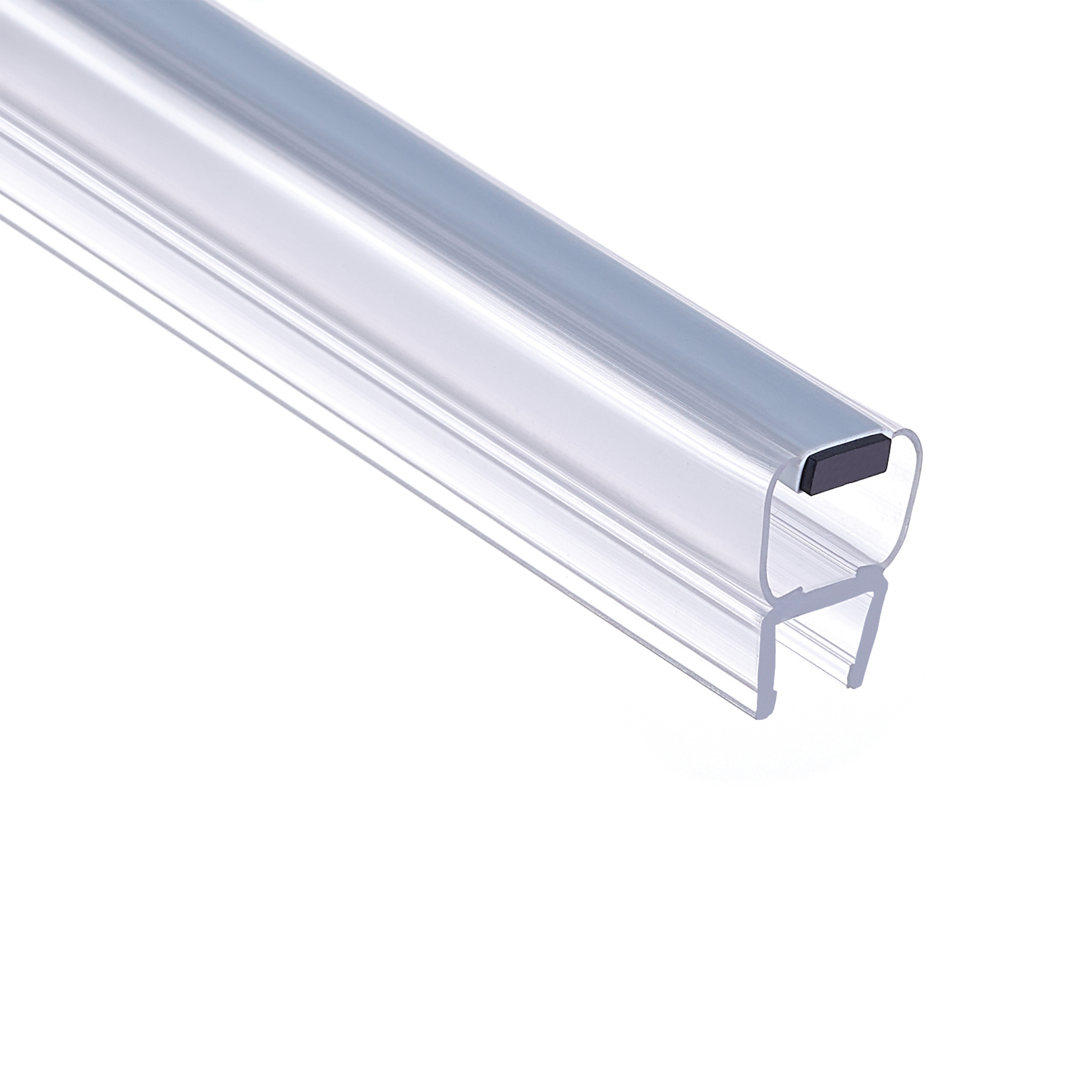
The key to long-lasting shower door gaskets is building simple daily shower door seal care habits that prevent gradual wear and tear—habits we always recommend to our global clients, from homeowners to hotel chains. After every shower, wipe the shower door gasket with a dry microfiber cloth to remove excess water. This simple step prevents moisture buildup, which is the main cause of mold growth and material degradation. For sliding glass doors, avoid slamming or forcing the door shut—Venus Seals’ magnetic shower door gaskets are designed to seal tightly with gentle pressure, and rough handling can damage the magnetic strip or tear the gasket edges. We also advise keeping sharp objects (like razors or scrub brushes) away from the gasket, as even small cuts can lead to leaks over time. Our customized shower door gaskets are made with durable PVC and rubber materials, but they’re not indestructible—daily care helps preserve their flexibility and sealing ability. A luxury apartment complex in Istanbul that adopted these habits reported that their Venus Seals gaskets lasted 4 years on average, compared to 1-2 years for their previous non-branded gaskets. These small, consistent actions add up to significant gains in gasket longevity and reduce the need for frequent shower door leak prevention repairs.
Deep Cleaning Tips to Prevent Gasket Mold and Mildew
Bathrooms are humid environments, so mold and mildew are constant threats to shower door gaskets—but regular deep cleaning as part of your shower door gasket maintenance routine can keep them at bay. Every two weeks, mix a solution of equal parts white vinegar and warm water, soak a cloth in it, and gently wipe the entire gasket, paying extra attention to crevices where mold tends to hide. Avoid harsh chemicals like bleach, which can degrade the PVC material and weaken the gasket’s waterproof properties—Venus Seals’ gaskets are anti-corrosion, but strong cleaners can still break down their protective coating. For stubborn mold spots, use a soft-bristled brush to gently scrub the area, then rinse thoroughly and dry. Our transparent super clear seals are especially easy to clean, as mold and grime are visible and can be removed quickly. A spa in Dubai that follows this deep cleaning routine shared that they’ve never had mold issues with their Venus Seals gaskets, even in their high-humidity steam showers. Preventing gasket mold isn’t just about aesthetics—it’s about maintaining the gasket’s structural integrity. Mold eats away at the material, causing it to become brittle and leaky, so regular deep cleaning is a crucial part of shower door leak prevention and gasket longevity.
Addressing Common Issues to Extend Gasket Longevity
Even with proper care, shower door gaskets may face common issues that, if addressed promptly, won’t compromise their lifespan. One frequent problem is loose or misaligned gaskets—if you notice gaps between the gasket and the door, gently reposition it to ensure a tight seal. Venus Seals’ gaskets are designed with strong adhesive backing, so reattaching them is simple and doesn’t require special tools. Another issue is hard water buildup, which can make the gasket stiff and less effective. To fix this, soak a cloth in lemon juice and wrap it around the gasket for 15 minutes, then wipe clean—lemon juice’s natural acids dissolve mineral deposits without damaging the material. If you spot small tears or cracks, use Venus Seals’ specialized repair kit (available for all our products) to patch the area before it expands. Ignoring these small issues can lead to big leaks—our technical team often encounters cases where a tiny tear in the gasket led to water damage costing thousands. By addressing problems early, you can extend gasket longevity and keep your shower leak-free. As a one-stop shower seal solution provider, Venus Seals offers full after-sales support, so if you’re unsure how to fix an issue, our customer service team is always ready to help with expert advice.
Choosing Quality Gaskets and Professional Support for Long-Term Success
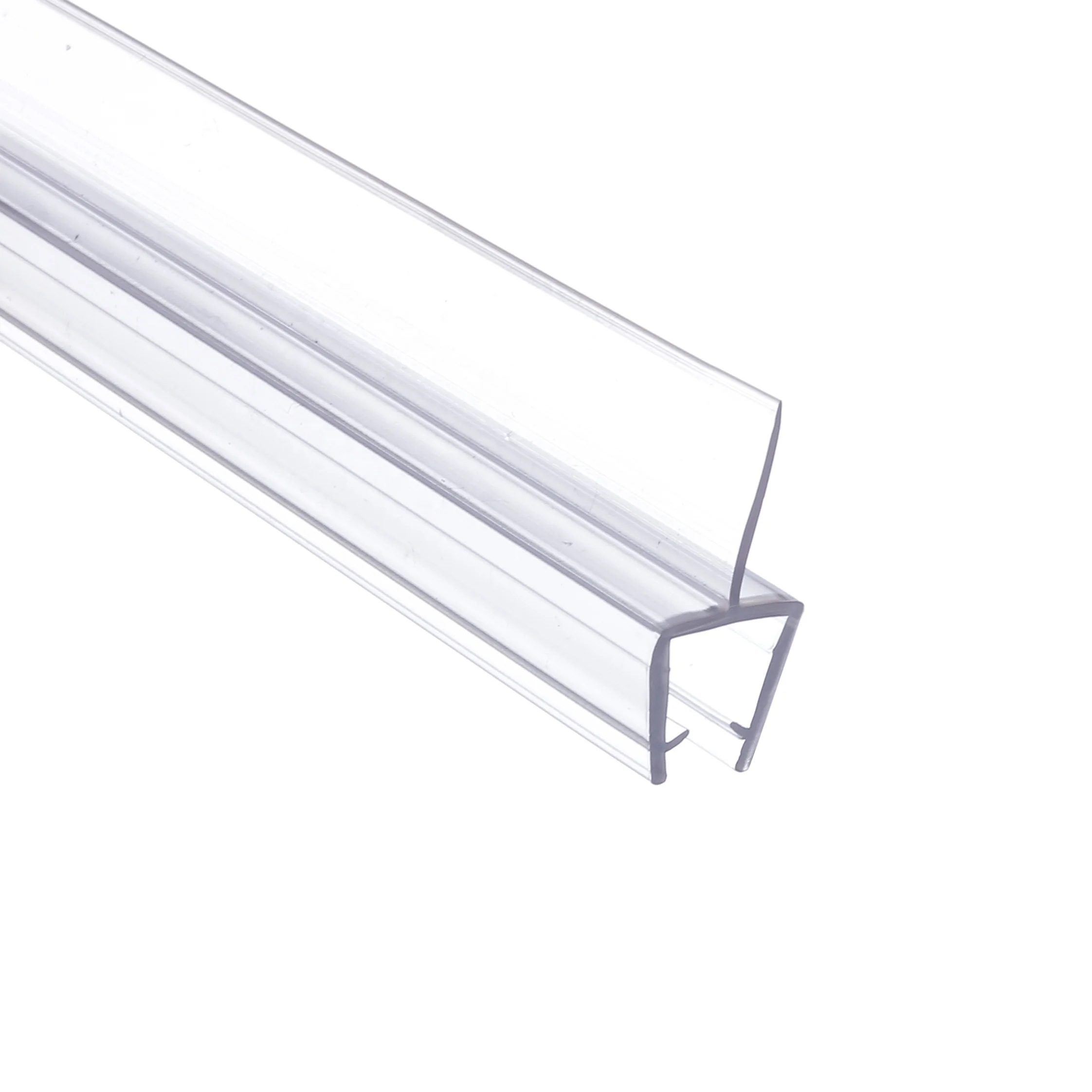
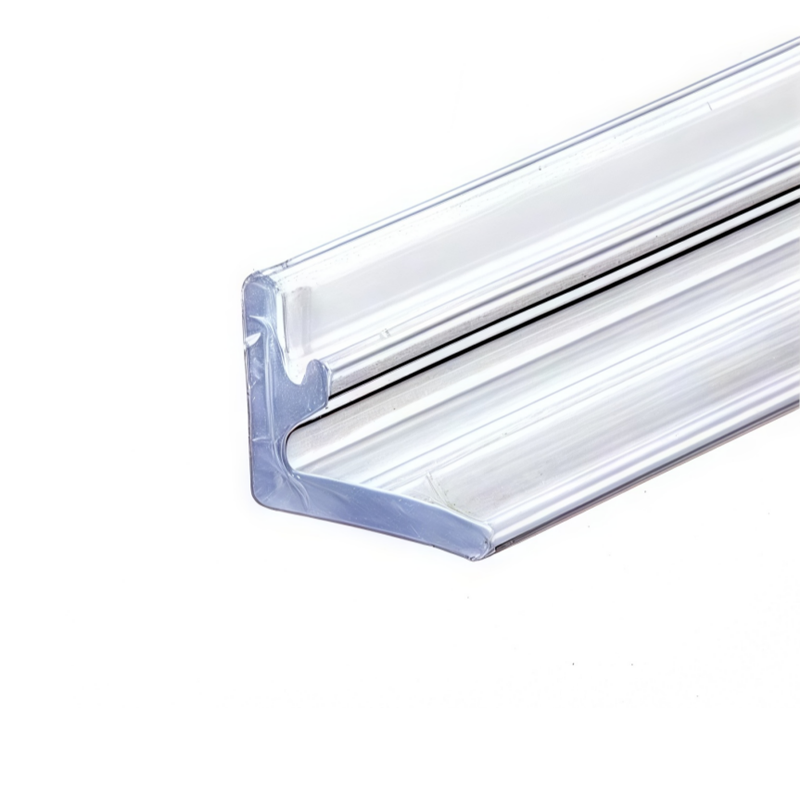
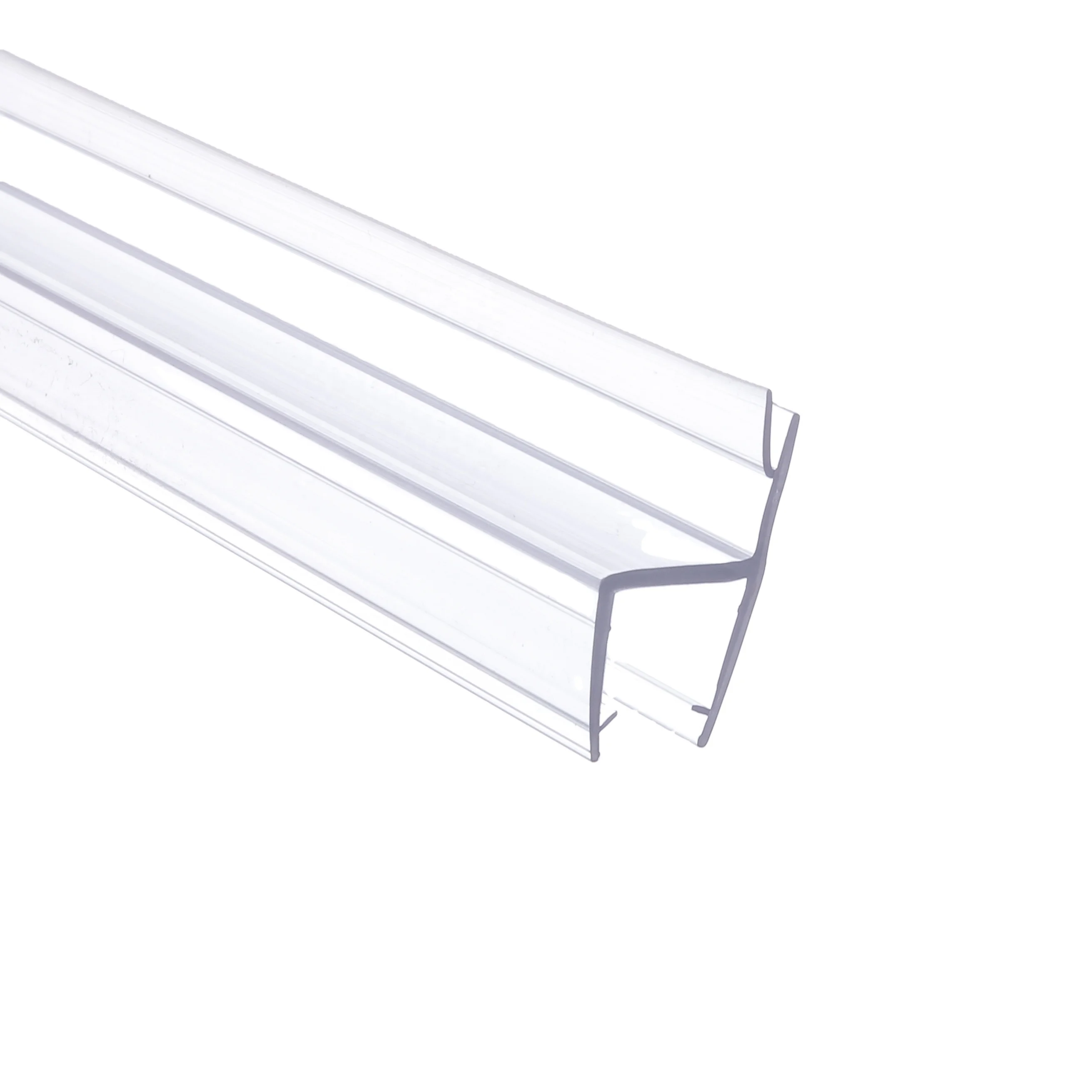
Ultimately, the best shower door gasket maintenance routine works hand in hand with high-quality products—and choosing the right shower door gasket from the start is key to maximizing longevity. Venus Seals’ shower door gaskets are manufactured in our 10,000㎡ factory with professional production equipment, strict quality control, and SGS certification, ensuring they’re built to last. Our product line includes magnetic seals, narrow edge seals, super clear seals, and customized options, so you can find the perfect fit for your shower door type. We also provide one-stop solutions, from product selection to after-sales support, to help you make the most of your investment. For commercial clients like hotels and gyms, we offer on-site training on shower door seal care and maintenance, ensuring your staff knows how to properly care for the gaskets. Our gaskets are sold worldwide, and our perfect after-sale service means you can get replacement parts or technical support whenever you need it. By choosing Venus Seals’ quality gaskets and following our expert shower door gasket maintenance tips, you can enjoy leak-free showers for years to come. Remember, gasket longevity isn’t just about the product—it’s about the combination of quality materials, proper care, and professional support. With Venus Seals, you get all three, making shower door leak prevention and long-lasting gaskets a reality.

 Hot News
 EN
EN