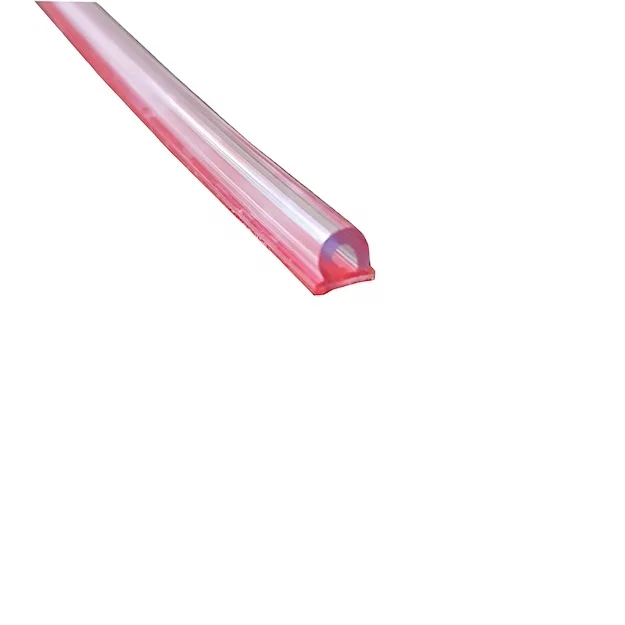
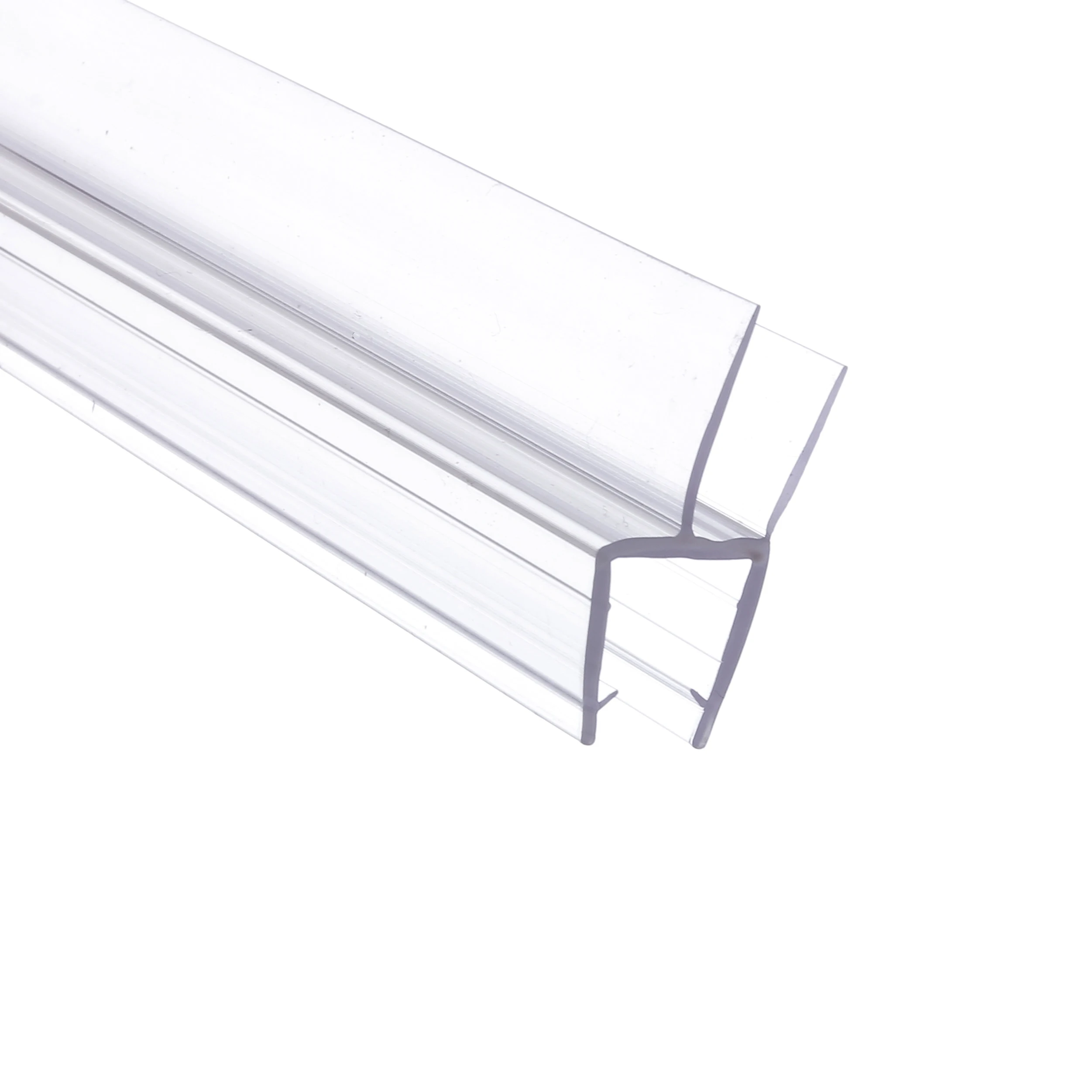
Regular cleaning to remove dirt and mold
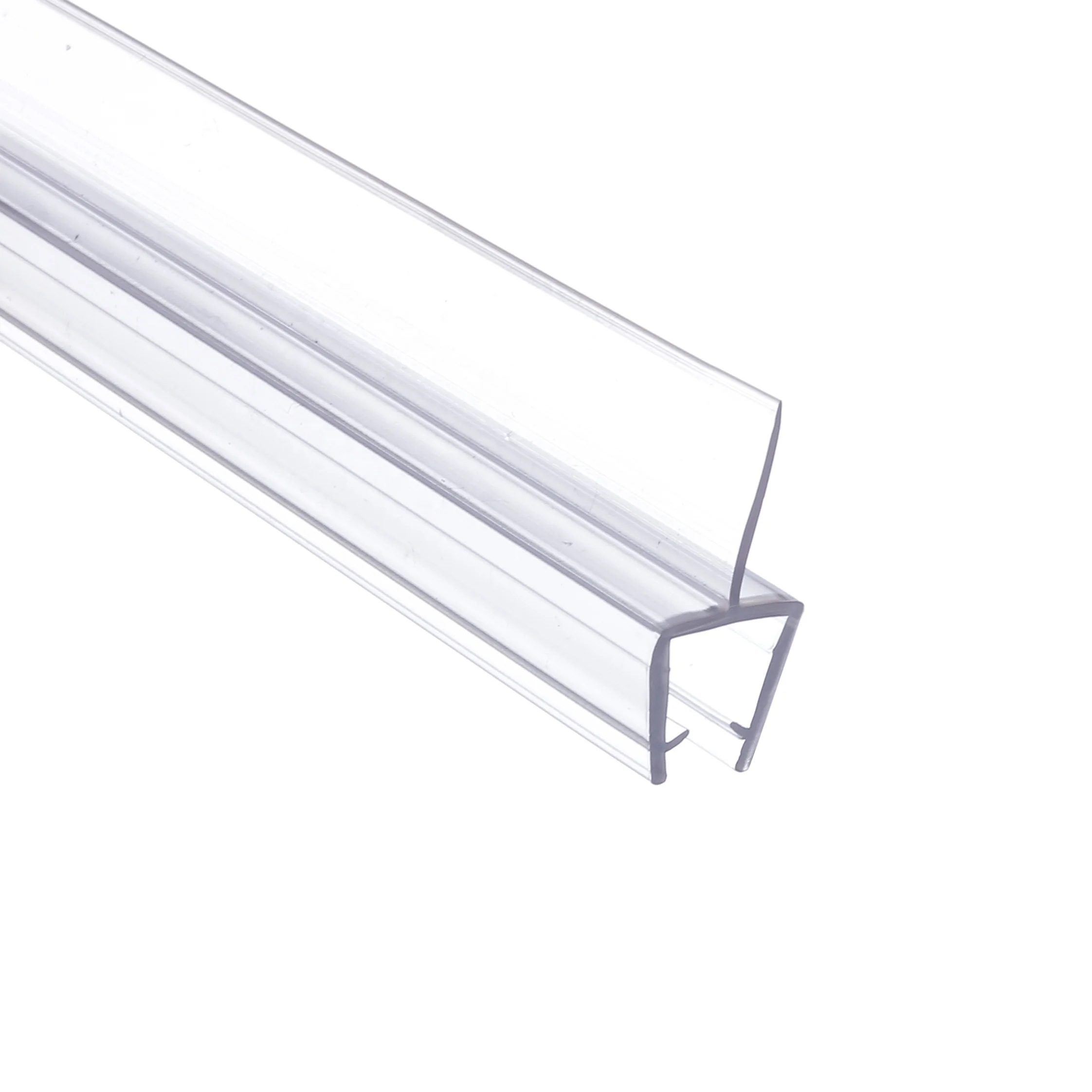
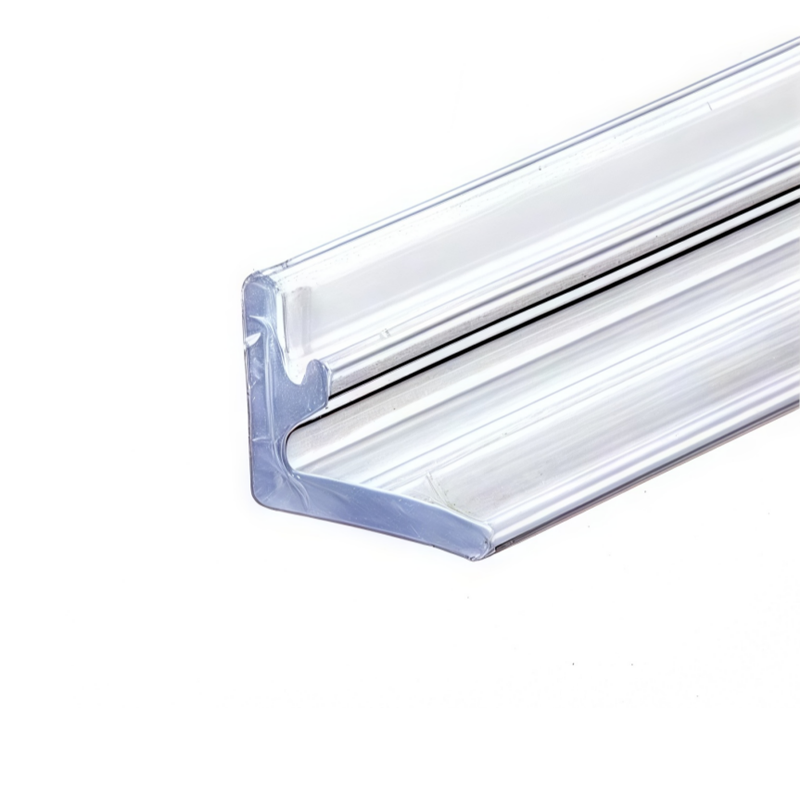
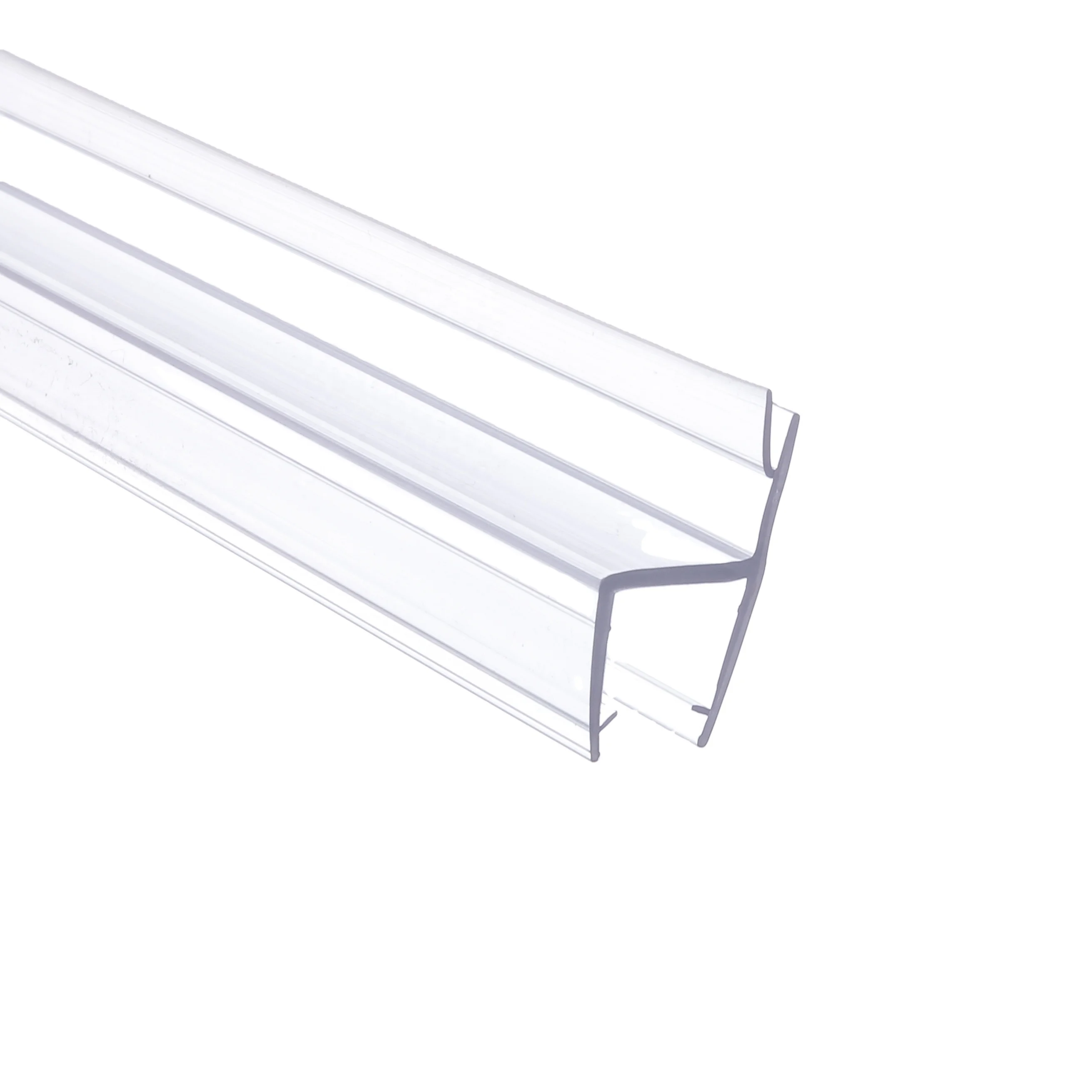
Keeping your shower screen rubber seal clean is the most basic and important maintenance step. Every time you take a shower, water, soap scum and shampoo residues can stick to the seal. If you don’t clean them in time, they will accumulate and breed mold. Mold not only looks unsightly but also corrodes the rubber material, making the shower screen rubber seal hard and brittle over time. You can use a soft cloth or a small brush with mild soapy water to wipe the seal gently after each use. For stubborn mold spots, mix some white vinegar and water in equal parts, apply it to the affected area and let it sit for 10 minutes before wiping clean. Remember to rinse thoroughly with clean water and dry the shower screen rubber seal with a dry cloth to prevent moisture from lingering.
Avoid using harsh chemicals
Many people use strong cleaning products to make their bathrooms spotless, but these chemicals can be very damaging to the shower screen rubber seal. Products containing bleach, ammonia or other corrosive ingredients can break down the rubber material, causing it to crack, shrink or lose elasticity. When cleaning the shower area, choose mild, non abrasive cleaners. If you accidentally get harsh chemicals on the shower screen rubber seal, rinse it immediately with plenty of clean water. Also, avoid using sharp tools like scrapers or knives to scrape off dirt on the seal, as they can scratch the surface and create small cracks where mold and water can enter.
Keep the bathroom well ventilated
Bathrooms are naturally humid places, and excess moisture is one of the main enemies of the shower screen rubber seal. Prolonged exposure to high humidity can speed up the aging process of the rubber, leading to deformation and reduced sealing performance. To prevent this, make sure your bathroom is well ventilated. After taking a shower, open the window or turn on the exhaust fan for at least 30 minutes to let the moisture escape. You can also leave the shower door slightly ajar to allow air circulation around the shower screen rubber seal. Reducing the humidity in the bathroom not only extends the life of the seal but also keeps the entire bathroom cleaner and free from mold growth.
Check and adjust the seal regularly
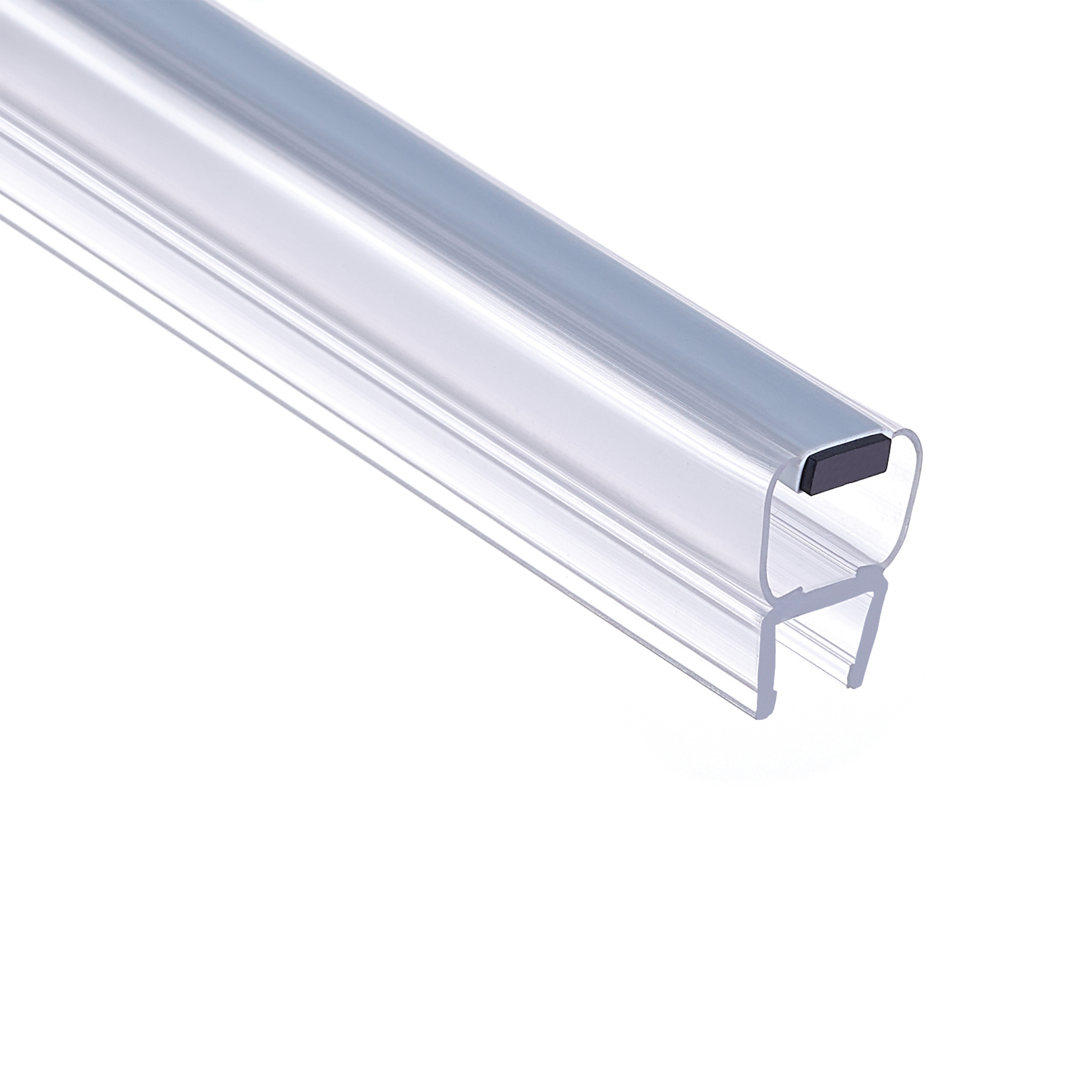
Regular inspections can help you spot problems with the shower screen rubber seal early and prevent further damage. Every month or so, take a few minutes to check the seal carefully. Look for signs of wear, cracks, tears or deformation. If you notice that the shower screen rubber seal is no longer fitting tightly against the shower screen or frame, adjust it if possible. Sometimes the seal may shift out of place due to frequent opening and closing of the door. Gently push it back into the correct position to ensure a tight seal. Also, check if the magnetic part of the seal (if it has one) is still working properly. A weak magnetic force can cause water leakage and increase wear on the seal.
Replace worn parts in a timely manner
Even with proper maintenance, the shower screen rubber seal will eventually wear out over time. Knowing when to replace it is crucial to avoid water damage to your bathroom. If you find that the seal is severely cracked, brittle, or has lost most of its elasticity, it’s time to get a new one. When choosing a replacement, make sure to select a high quality shower screen rubber seal that matches the size and type of your shower screen. You can consult the manufacturer or refer to the product specifications to ensure a perfect fit. Installing a new seal in time will not only prevent water leakage but also save you from more expensive repairs to your bathroom floor or walls. Remember, regular replacement is a small investment that can extend the life of your entire shower system.

 Hot News
 EN
EN