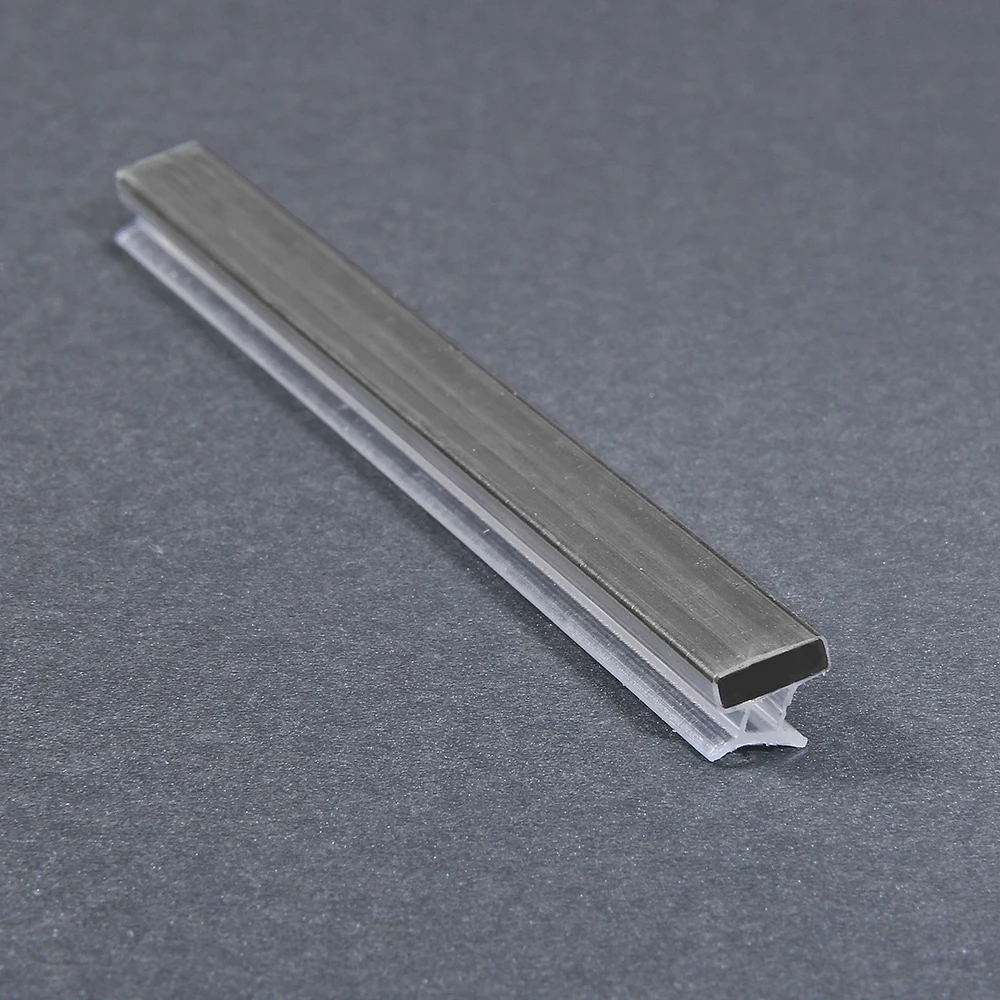
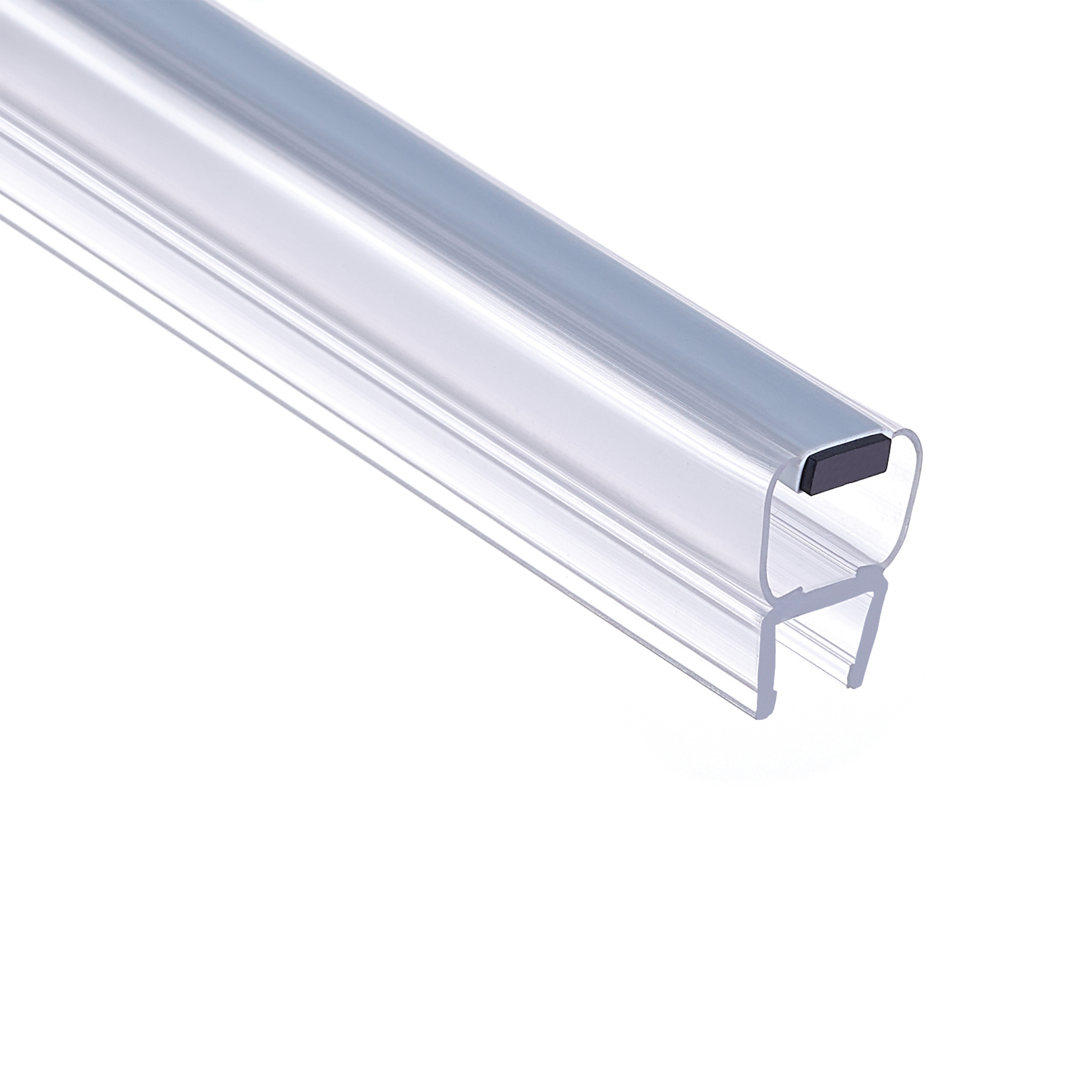
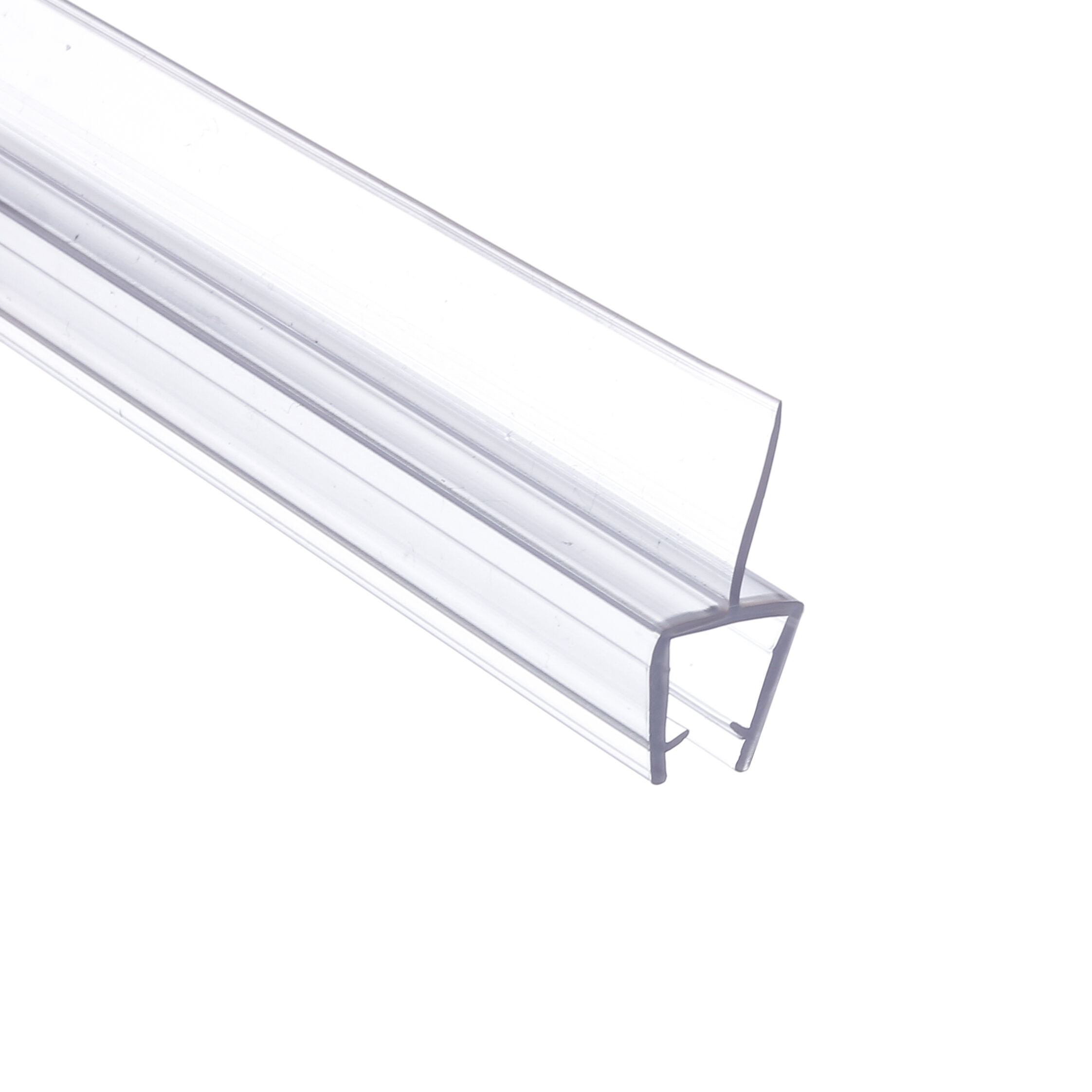
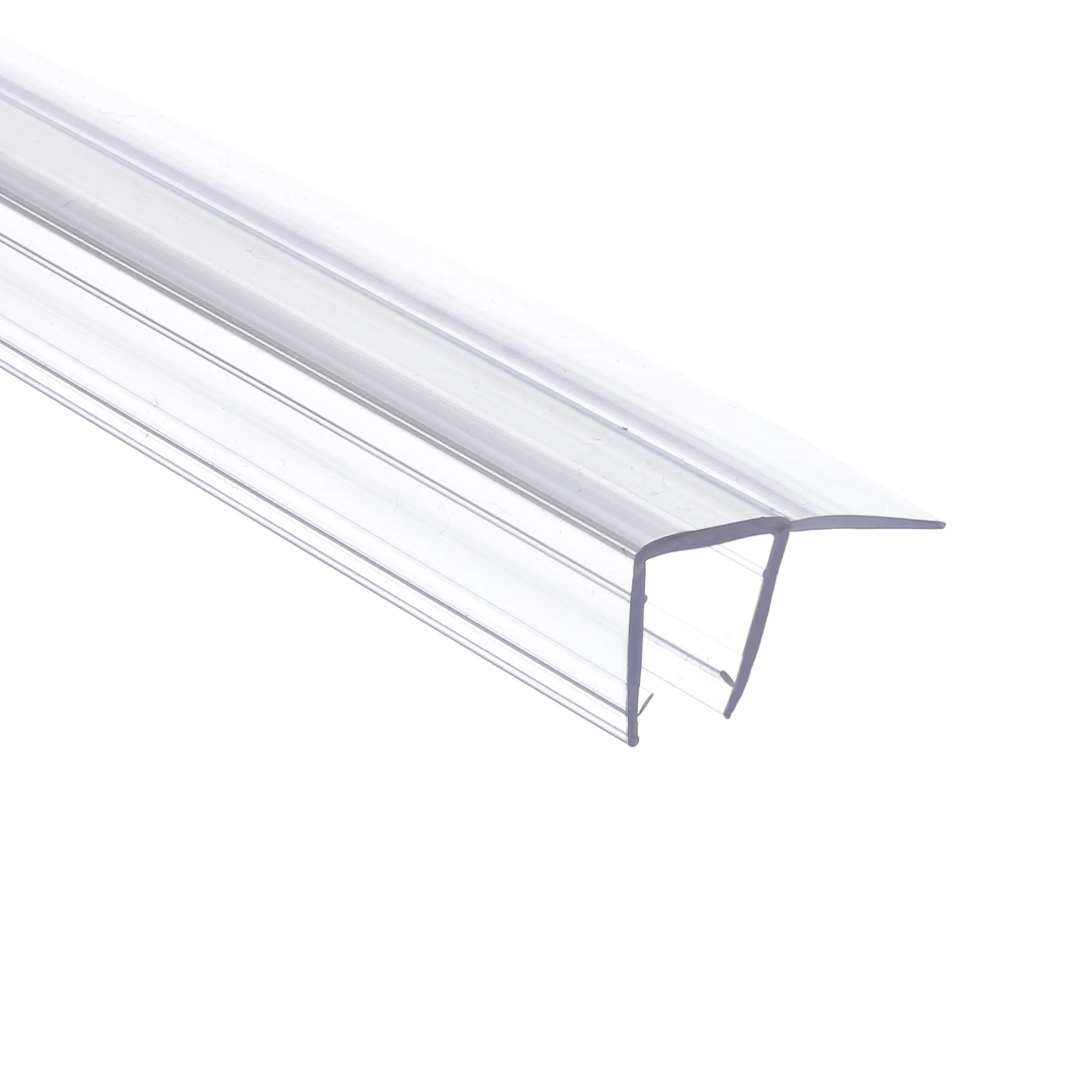
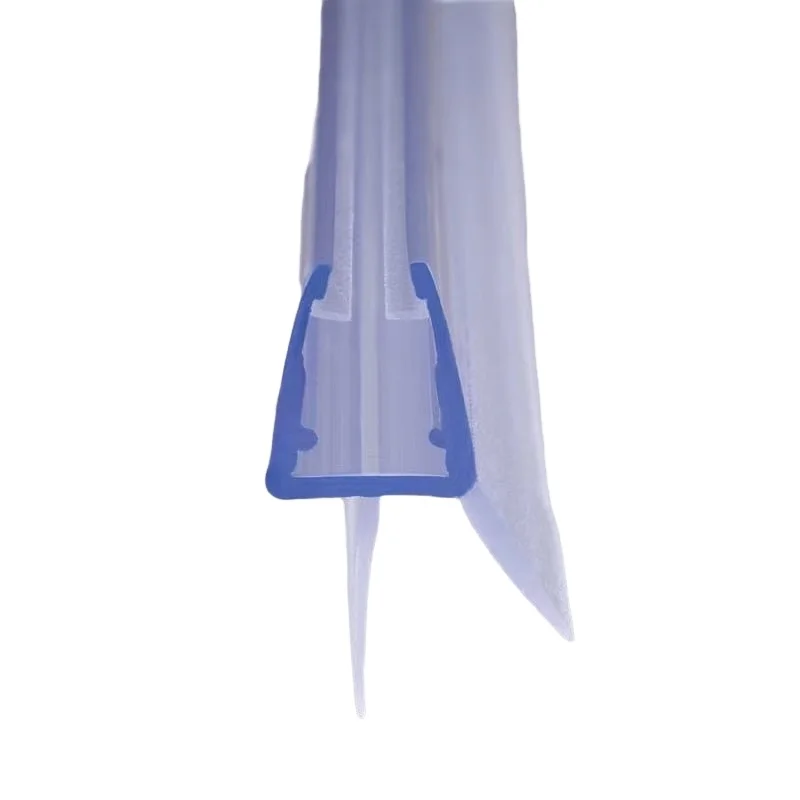
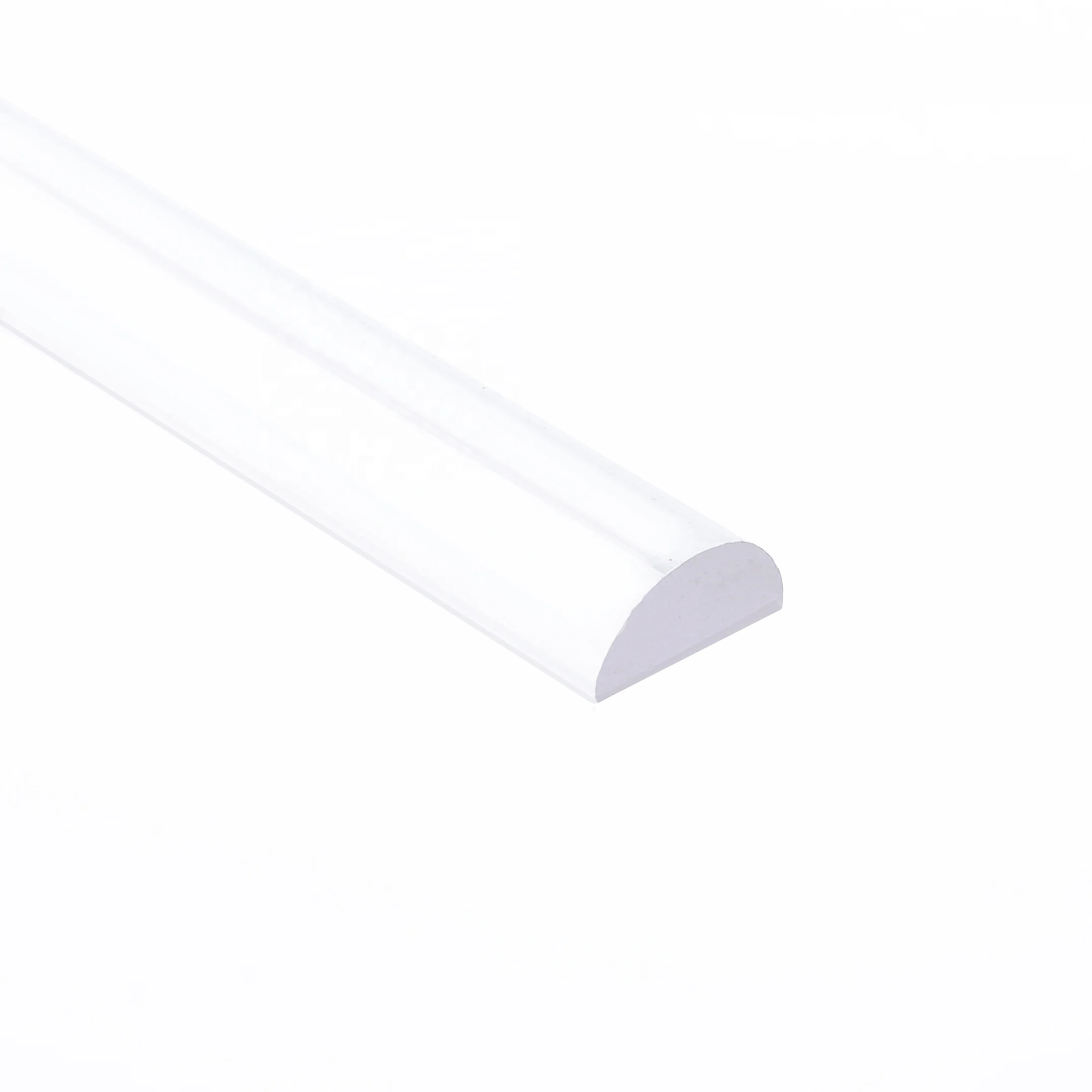
Shower door strips—typically made from PVC or silicone elastomers—face relentless degradation due to three interlocking environmental stressors: constant moisture cycling, hard water mineral deposits, and soap scum accumulation. These factors don’t act in isolation; they synergistically accelerate material breakdown.
Warm, humid shower conditions cause repeated expansion and contraction of the strip, fatiguing molecular bonds over time. Simultaneously, dissolved calcium and magnesium in hard water crystallize on the surface as water evaporates, forming abrasive crusts that scratch the material and reduce flexibility. Soap scum—a residue of surfactants, oils, and skin cells—adheres to the strip and penetrates microscopic pores, trapping moisture against the polymer and creating a microenvironment conducive to microbial growth and chemical degradation.
Moisture cycling is the foundational stressor: wetting causes slight swelling in elastomeric strips; drying triggers contraction. This repeated mechanical fatigue leads to micro-cracks that compromise structural integrity. Hard water compounds this damage—calcium carbonate and magnesium sulfate precipitate as sharp, crystalline deposits that abrade the surface during door movement and serve as nucleation sites for further buildup. Soap scum acts as both a moisture trap and a chemical agent: its alkaline pH can hydrolyze polymer chains in PVC and silicone, breaking cross-links and accelerating embrittlement. Together, these forces—physical fatigue, mechanical abrasion, and chemical attack—degrade the seal far faster than any single factor alone.
According to the 2023 National Association of Home Builders (NAHB) Bathroom Materials Survey, 73% of premature shower door strip failures—occurring well before the manufacturer’s stated 5+ year lifespan—were directly linked to untreated hard water. Homes with water hardness exceeding 7 grains per gallon (GPG) reported the highest incidence of cracks, splits, and loss of elasticity within just 2–3 years of installation. This data confirms that mineral content isn’t merely a cosmetic concern—it actively drives mechanical wear and chemical aging. Untreated hard water remains the single largest preventable cause of early seal failure.
The pH of your cleaning agent directly determines whether it preserves or undermines your shower door strip. Distilled white vinegar (pH ~2.4) is acidic enough to dissolve calcium carbonate scale and saponify soap scum—but mild enough to avoid disrupting the polymer backbone of silicone or PVC. In contrast, bleach (pH 11+) is strongly alkaline and breaks down the siloxane bonds essential to silicone’s elasticity. Repeated use causes irreversible micro-cracking, surface chalking, and progressive loss of resilience. Vinegar supports longevity; bleach accelerates failure.
Use a 5% distilled white vinegar solution: spray evenly onto the strip, let dwell for 2–3 minutes, then gently wipe with a soft microfiber cloth. This low-impact method lifts mineral deposits and organic residue without abrasion or thermal stress. Avoid steam cleaning entirely—the high temperature and pressurized moisture force water beneath the strip’s adhesive edge, weakening the bond between seal and glass and promoting delamination. The vinegar-microfiber routine removes buildup, inhibits mild mold, and fully respects the material’s structural limits.
The most effective daily habit is squeegeeing the glass and door edges immediately after each shower. Per the 2023 NAHB Bathroom Materials Survey, this simple action cuts residual moisture exposure by 92%—far more impactful than stroke count or pressure. Delayed squeegeeing allows water to pool at the strip’s base, concentrating mineral deposits and soap scum where they do maximum harm. A single, gentle pass with a soft rubber squeegee prevents prolonged wet contact, preserving elasticity and extending service life. It takes seconds—and pays off in years.
Surface staining—yellowing or light discoloration—is purely cosmetic and does not impair sealing performance. Crack propagation, however, signals irreversible structural failure. Cracks typically originate at stress points (corners or glass interfaces) and widen with each thermal cycle. A visual inspection every few months is sufficient: if a crack penetrates beyond the surface layer—or if you observe leaks around the door frame—the seal is compromised. Embedded mold or mildew within a crack confirms permanent moisture intrusion. At this stage, replacement is necessary to prevent subfloor or framing damage.
A strip that looks clean but feels stiff or brittle when pressed is functionally failing—even without visible cracks. Over time, heat-cycling leaches plasticizers from PVC and silicone, reducing elasticity and causing the material to gap away from the glass upon closure. Perform a squeeze test: a healthy strip rebounds instantly; a brittle one holds an indentation for several seconds. Because this degradation occurs internally and invisibly, experts recommend proactive replacement every 3–5 years—regardless of appearance—to avoid sudden leakage and water damage.

Hard water contains minerals like calcium and magnesium that crystallize as the water evaporates. These mineral deposits form abrasive surfaces that scratch the strip and serve as nucleation points for further buildup. They also contribute to chemical aging.
A 5% distilled white vinegar solution is recommended. Vinegar is mildly acidic and effective at dissolving hard water deposits and soap scum without damaging the polymer bonds of PVC or silicone.
Perform a visual inspection every few months. Look for cracks, loss of elasticity, or embedded mold and mildew. Replace the strip immediately if structural failure is detected.
Bleach is not recommended. Its high alkalinity breaks down silicone and PVC bonds, leading to micro-cracking, stiffness, and eventual failure.
Squeegee the glass and door edges immediately after each shower to minimize residual moisture. This reduces exposure to hard water and soap scum, preserving the strip’s elasticity.
 Hot News
2025-06-16
2025-06-25
Jinsu (Guilin) Plastic Profiles Co., Ltd is a leading Chinese manufacturer of custom PVC shower door seals and window gaskets. With 20 production lines and 80+ technicians, we deliver durable, waterproof sealing solutions for bathrooms and industrial applications. Trusted by clients in Europe and America. Request a quote today.
Copyright © 2025 by JinSu (Guilin) Plastic Profiles Co.,Ltd Privacy Policy
 EN
EN